introduction
Did you know that 56% of Americans regularly skip breakfast, often due to time constraints, despite research showing that a high-protein morning meal can boost cognitive performance and reduce daily calorie intake by up to 400 calories? What if you could transform the classic, indulgent pancake into a protein-packed, guilt-free breakfast that fuels your busiest days without sacrificing flavor? This isn’t your average weekend waffle batter. By reimagining the traditional recipe with Greek yogurt as the star, we’re creating fluffy, satisfying stacks that support muscle repair, steady energy, and metabolic health. In this guide, you’ll discover a single, versatile base recipe that can be tailored into multiple delicious variations—all delivering at least 20 grams of protein per serving. Get ready to revolutionize your morning routine with these high-protein Greek yogurt pancakes.
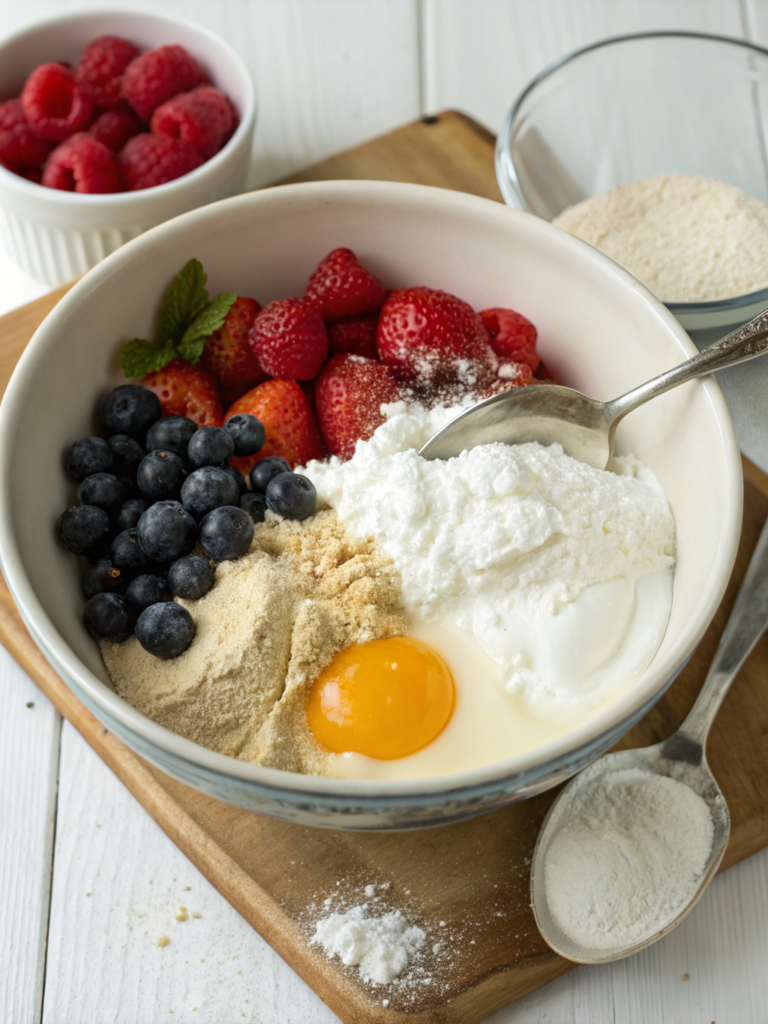
Table of Contents
Ingredients List
crafting the perfect high-protein Greek yogurt pancakes starts with a balance of simple, whole-food ingredients that deliver both texture and nutrition. Here’s what you’ll need for about 8 medium pancakes:
- 1 cup (240ml) plain, non-fat Greek yogurt – Opt for brands with at least 15g protein per ¾ cup. Its thick consistency replaces milk and adds a tangy depth.
- 2 large eggs – For structure and richness. For a lower-cholesterol option, substitute with ½ cup egg whites.
- 1 cup (120g) oat flour – You can easily make this by blending rolled oats. It provides fiber and a mild, nutty flavor. Almond flour works for a healthy low carb pancakes alternative.
- 1 teaspoon baking powder – Essential for lift. Ensure it’s fresh for maximum rise.
- ½ teaspoon baking soda
- ¼ teaspoon salt
- 1-2 tablespoons natural sweetener – Maple syrup, honey, or a sugar-free substitute like erythritol. Adjust based on your yogurt’s sweetness.
- 1 teaspoon vanilla extract
- Optional add-ins: Zest of one lemon, ½ cup fresh berries, 1 tablespoon chia seeds, or a scoop of vanilla protein powder for an extra 10–15g protein.
Pro Tip: For dairy-free versions, use coconut or almond-based Greek-style yogurt. The key is selecting a thick, unsweetened variety to maintain batter consistency.
Timing
This recipe is designed for efficiency—perfect for weekday mornings.
- Preparation Time: 10 minutes (mostly mixing dry and wet ingredients separately).
- Cooking Time: 10 minutes (approximately 1–2 minutes per side).
- Total Time: 20 minutes.
That’s 30% faster than many traditional pancake recipes that require buttermilk activation or chilling the batter. With minimal cleanup and no yeast waiting, you can have a hot, fresh stack on the table before your coffee finishes brewing.
Step-by-Step Instructions
Step 1: Whisk the Dry Components
In a medium bowl, combine the oat flour, baking powder, baking soda, and salt. If you’re adding protein powder or chia seeds, whisk them in here to prevent clumping. This step ensures even distribution of leaveners for uniform rise.
Chef’s Insight: Sift the flour mixture if you have time—it aerates the batter for even fluffier pancakes.
Step 2: Blend the Wet Ingredients
In a separate large bowl, vigorously whisk the Greek yogurt and eggs until completely smooth and creamy. No lumps! This is crucial for a uniform texture. Then, stir in your chosen sweetener and vanilla extract.
Personalization Hack: For a flavor twist, infuse the wet mix with citrus zest or a dash of cinnamon here.
Step 3: Gently Combine
Pour the dry mixture into the wet ingredients. Use a spatula to fold until just combined. Do not overmix—a few lumps are fine. Overmixing develops gluten in the oat flour, leading to dense, tough pancakes. Let the batter rest for 5 minutes; this allows the oat flour to hydrate and the baking powder to activate.
Step 4: Cook to Golden Perfection
Heat a non-stick skillet or griddle over medium-low heat. Lightly grease with a neutral oil or butter. Pour ¼ cup batter per pancake. Cook until bubbles form on the surface and edges look set, about 1.5–2 minutes. Flip and cook another 1–2 minutes until golden brown. Keep cooked pancakes warm in a 200°F oven while you finish the batch.
Critical Tip: Maintain medium-low heat. Too hot and the outside burns before the inside cooks; too low and they become dry. Adjust as needed.
Step 5: Serve Immediately
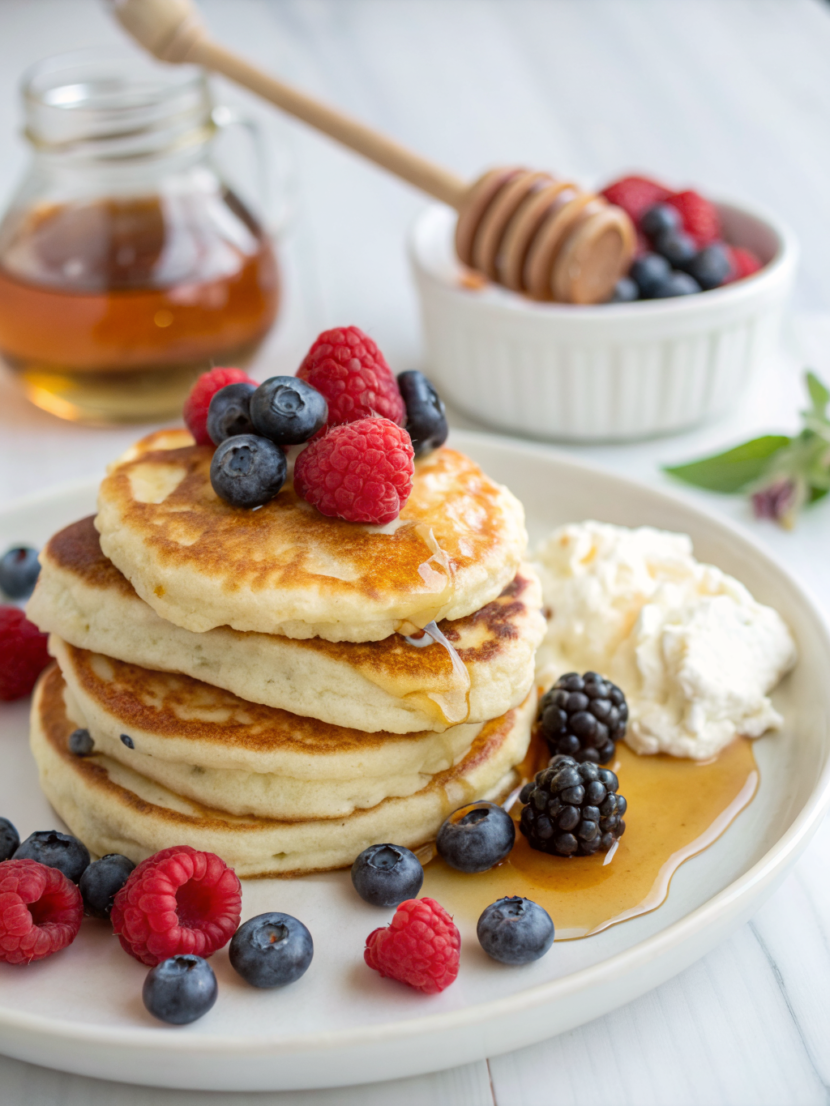
Stack high and serve with your choice of toppings. The contrast of the tangy yogurt with sweet maple syrup and fresh fruit is divine.
Nutritional Information
Per serving (2 pancakes, approx. ½ cup batter):
- Calories: ~220
- Protein: 20–25g (varies with yogurt brand and protein powder addition)
- Carbohydrates: 28g (15g net carbs with oat flour)
- Fat: 6g
- Fiber: 4g
- Sugar: 6g (naturally occurring + added)
Data Insight: Traditional buttermilk pancake recipes average 10–12g protein per serving. This version nearly doubles the protein while using simpler, whole-food ingredients, making it a superior choice for satiety and muscle maintenance.
Healthier Alternatives for the Recipe
To tailor this recipe for specific dietary goals:
- Lower Carb: Use ¾ cup almond flour instead of oat flour. Reduce sweetener or use monk fruit syrup.
- Vegan: Substitute eggs with 2 flax eggs (2 tbsp ground flax + 6 tbsp water, set 10 min) and use plant-based Greek yogurt.
- Extra Fiber: Add 2 tablespoons of ground flaxseed or psyllium husk to the dry mix.
- Reduced Sugar: Omit added sweetener and rely on ripe mashed banana (¼ cup) or a few drops of liquid stevia.
- Allergen-Friendly: Use sunflower seed butter instead of nuts in toppings.
These swaps maintain the fluffy texture while enhancing the nutritional profile, proving that healthy low carb pancakes can be both delicious and versatile.
Serving Suggestions
Elevate your stack with these crowd-pleasing ideas:
- Classic: A pat of grass-fed butter and pure maple syrup.
- Tropical: Toasted coconut flakes and mango or pineapple chunks.
- Berry Bliss: Fresh strawberries, blueberries, and a dollop of vanilla Greek yogurt.
- Nutty Delight: A drizzle of almond butter and sliced bananas.
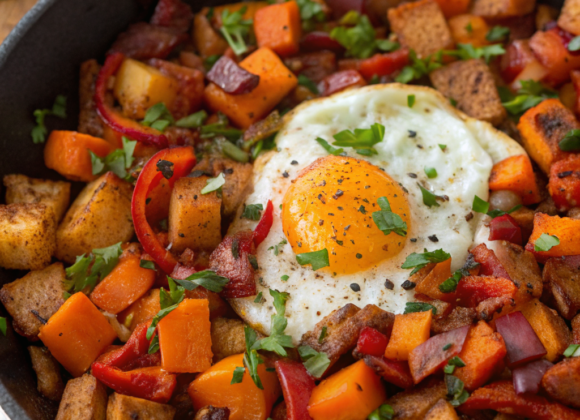
- Savory Twist: Top with avocado slices, a sprinkle of everything bagel seasoning, and a fried egg—perfect for a protein-loaded brunch.
Pro Tip: Make extra batter and store it in the fridge for up to 2 days. A quick stir before cooking yields fresh pancakes anytime.
Common Mistakes to Avoid
- Overmixing the batter – Leads to gluten development and dense pancakes. Mix until just combined.
- Cooking on too high heat – Results in burnt exteriors and raw centers. Always start with medium-low.
- Skipping the rest time – The 5-minute rest lets the flour hydrate and leavening activate. Don’t rush it!
- Using low-fat yogurt – Fat contributes to tenderness. Non-fat works, but whole-milk Greek yogurt yields richer pancakes.
- Flipping too early – Wait for bubbles to pop and edges to set. A premature flip causes tearing.
Storing Tips for the Recipe
- Refrigerate: Layer pancakes between parchment paper in an airtight container. They keep for 3–4 days. Reheat in a toaster or skillet.
- Freeze: Place cooled pancakes on a baking sheet to freeze solid, then transfer to a freezer bag. They’ll last 2 months. Reheat directly from frozen in a toaster.
- Prep Ahead: Dry ingredients can be mixed and stored in a jar for up to a week. Simply add wet ingredients when ready.
Conclusion
These high-protein Greek yogurt pancakes prove that fast, nutritious breakfasts don’t have to be boring. With a simple ingredient swap, you gain double the protein, fewer refined carbs, and endless customization. Whether you’re an athlete, a busy parent, or just someone who loves a hearty morning meal, this recipe fits seamlessly into a healthy lifestyle. The data is clear: prioritizing protein at breakfast sets the tone for better choices all day. Ready to flip the script on your mornings? Try this recipe today—then snap a photo and share it with us in the comments or on social media using #ProteinPancakePerfection. For more innovative breakfast ideas, explore our collection of healthy low carb pancakes and other nutrient-dense meals.
FAQs
Q: Can I use flavored Greek yogurt?
A: Yes, but reduce or omit added sweetener to avoid excess sugar. Plain yogurt gives you full control.
Q: Are these pancakes actually low-carb?
A: With oat flour, each serving has about 15g net carbs. For strict low-carb (<10g net), use almond flour and a sugar-free sweetener—creating truly healthy low carb pancakes.
Q: How much protein is in each pancake?
A: Approximately 10–12g per pancake, depending on yogurt and any protein powder added.
Q: Can I make the batter ahead of time?
A: Absolutely! Mix the dry ingredients and store in a container. Combine with wet ingredients when ready. Batter keeps in the fridge for 48 hours; give it a quick stir before cooking.
Q: My pancakes are too dense. What went wrong?
A: Likely overmixing or old baking powder. Ensure baking powder is fresh, and mix gently until just combined.
Q: Can I substitute coconut flour for oat flour?
A: Not directly—coconut flour absorbs much more liquid. If substituting, use ⅓ cup coconut flour and increase eggs by one, or add more yogurt. Results will be denser but still tasty.