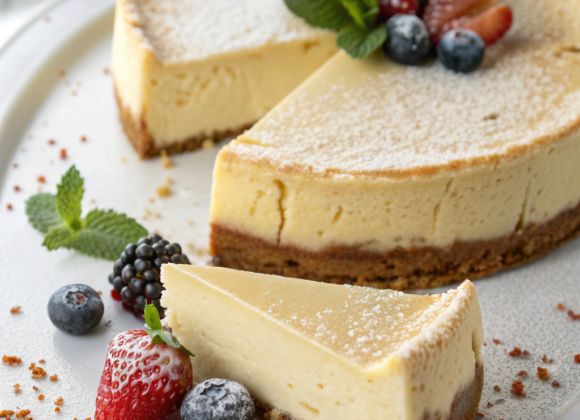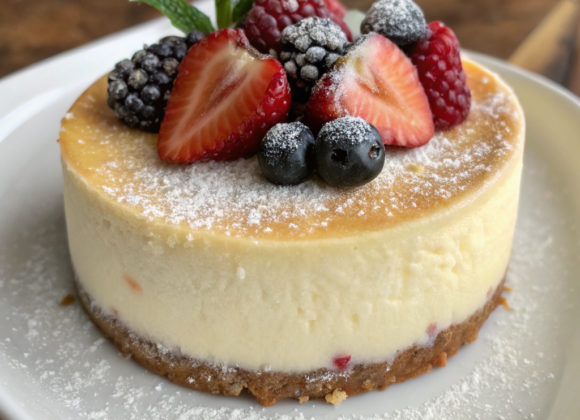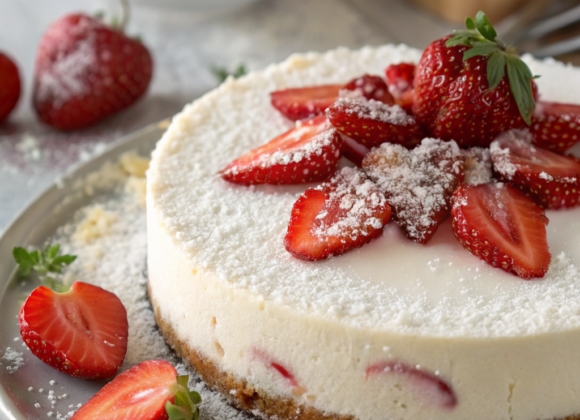
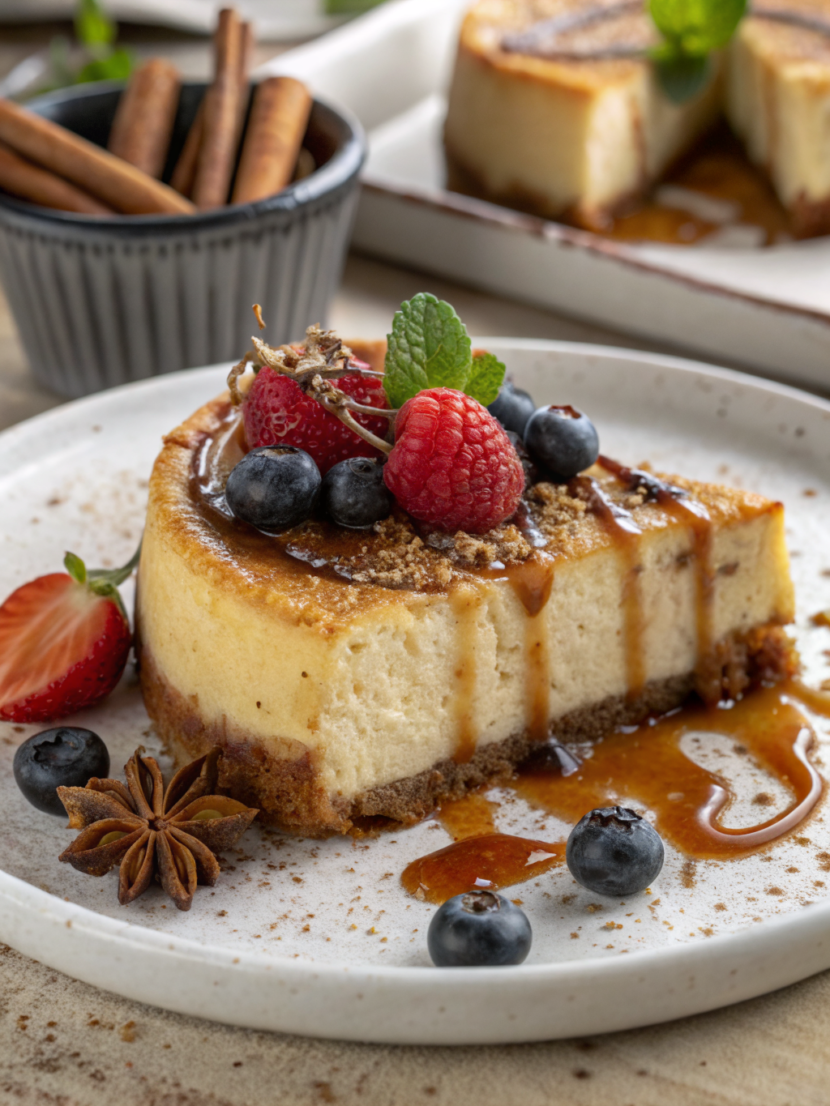
What if the most indulgent dessert you’ve ever tasted could be made right in your own kitchen — without any fancy equipment or pastry school training? This Easy Caramel Cheesecake recipe is proof that stunning, restaurant-quality desserts are absolutely achievable at home. Rich, creamy, and crowned with a luscious golden caramel drizzle, this cheesecake will become your go-to showstopper for every occasion.
Whether you’re a seasoned baker or a complete beginner, this recipe walks you through every step with confidence. The result? A silky-smooth Caramel Cheesecake that looks like it came straight from a bakery window. Let’s dive in.
Why You’ll Love This Easy Caramel Cheesecake
This recipe strikes the perfect balance between simplicity and sophistication. The buttery graham cracker crust provides a satisfying crunch, while the cream cheese filling is dense, velvety, and perfectly sweetened. The warm caramel drizzle on top ties everything together in the most irresistible way.
Unlike many cheesecake recipes that require a water bath or hours of careful monitoring, this Easy Caramel Cheesecake uses a straightforward baking method that minimizes cracking and maximizes flavor. It’s the kind of recipe you’ll want to make again and again.
Ingredients List
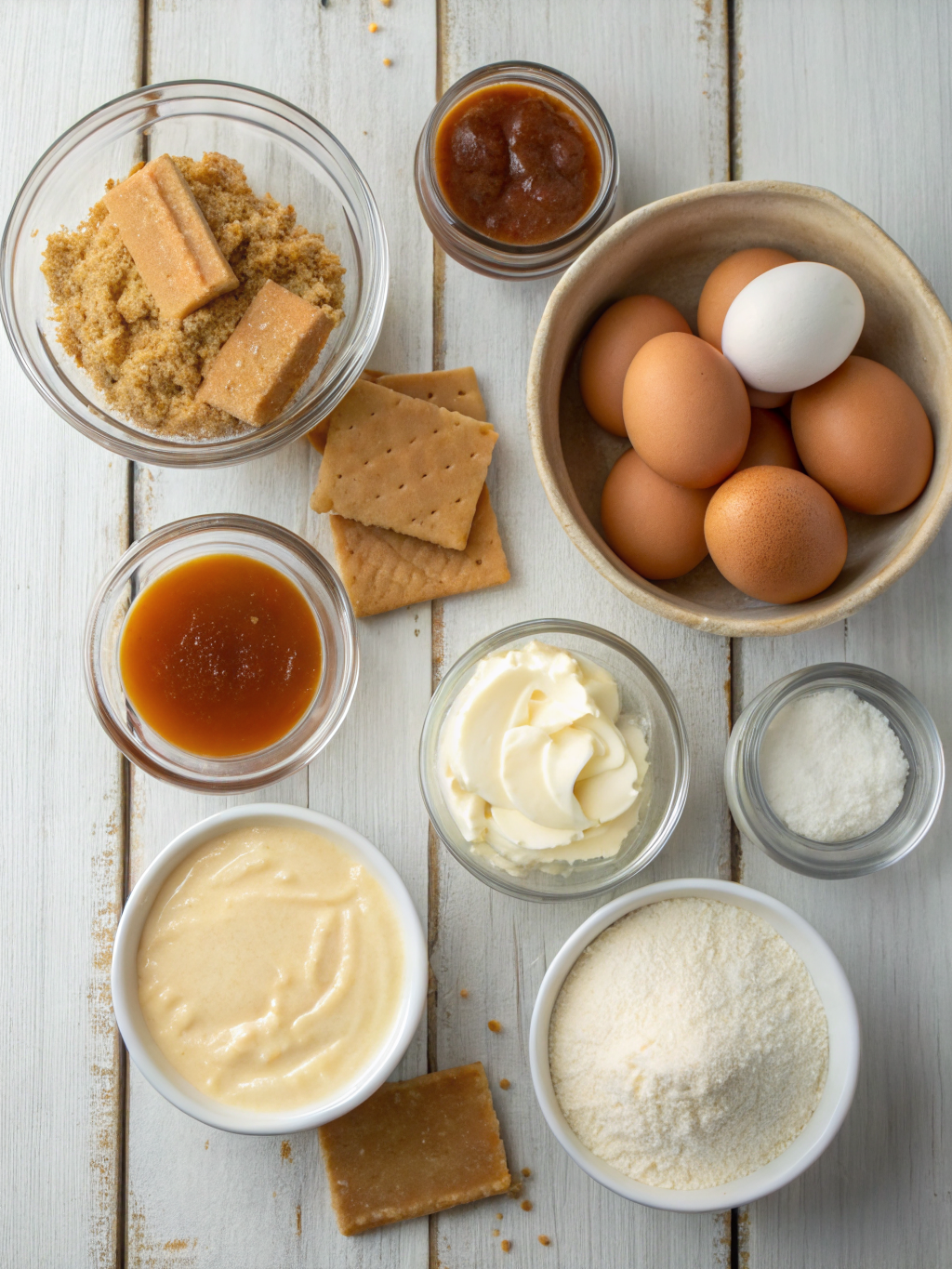
Gather these simple, pantry-friendly ingredients before you begin. Quality matters here — especially for the cream cheese and caramel — so opt for full-fat versions whenever possible for the creamiest result.
For the Graham Cracker Crust:
- 2 cups (200g) graham cracker crumbs (or digestive biscuits as a substitute)
- 1/4 cup (50g) granulated sugar
- 1/2 cup (115g) unsalted butter, melted (coconut oil works as a dairy-free swap)
- 1/4 teaspoon cinnamon (optional, but adds warmth)
For the Cheesecake Filling:
- 3 packages (24 oz / 680g) full-fat cream cheese, softened to room temperature
- 1 cup (200g) granulated sugar
- 3 large eggs, room temperature
- 1 cup (240ml) full-fat sour cream (Greek yogurt is a lighter alternative)
- 2 teaspoons pure vanilla extract
- 2 tablespoons all-purpose flour (cornstarch works for a gluten-free option)
- 1/4 cup (60ml) caramel sauce, for swirling into the batter
For the Caramel Drizzle Topping:
- 1 cup (200g) granulated sugar
- 6 tablespoons (85g) unsalted butter, cubed
- 1/2 cup (120ml) heavy cream
- 1/2 teaspoon sea salt (for a salted caramel variation — highly recommended!)
- Store-bought caramel sauce may be used as a convenient shortcut
Timing
Here’s a full breakdown of the time commitment for this recipe, so you can plan accordingly:
- Prep Time: 25 minutes
- Bake Time: 55–60 minutes
- Cooling Time: 1 hour at room temperature
- Chilling Time: 4 hours minimum (overnight preferred)
- Total Active Time: Approximately 90 minutes
The total hands-on time is roughly 90 minutes — about 20% less than the average classic cheesecake recipe, which often requires a water bath setup and additional monitoring. Most of the wait time is passive chilling, making this an ideal make-ahead dessert for dinner parties or celebrations.
Step-by-Step Instructions
Step 1: Prepare Your Pan and Preheat the Oven
Preheat your oven to 325°F (163°C). Grease a 9-inch springform pan with butter or non-stick spray. For extra insurance against leaks, wrap the outside of the pan tightly with two layers of aluminum foil. This also helps with even heat distribution.
Step 2: Make the Graham Cracker Crust
In a medium bowl, combine graham cracker crumbs, sugar, cinnamon, and melted butter. Mix until the texture resembles wet sand. Press the mixture firmly and evenly into the bottom of the prepared pan, using the flat bottom of a glass for a smooth finish. Bake for 10 minutes, then set aside to cool slightly.
Step 3: Beat the Cream Cheese Filling
Using a stand mixer or hand mixer on medium speed, beat the softened cream cheese until completely smooth and lump-free — about 2 minutes. Scrape down the sides of the bowl frequently. Add sugar and flour, mixing until just combined. Avoid overbeating, as this incorporates too much air and can cause cracking.
Step 4: Add Eggs, Sour Cream, and Vanilla
Add eggs one at a time, mixing on low speed after each addition. Stir in sour cream and vanilla extract until the batter is silky and uniform. Gently fold in 1/4 cup of caramel sauce for a subtle caramel swirl throughout the filling. The batter should be smooth and pourable.
Step 5: Bake the Cheesecake
Pour the filling over the pre-baked crust. Smooth the top with a spatula. Bake at 325°F for 55–60 minutes. The edges should be set, but the center should still have a slight jiggle — like Jell-O. This is the sign of a perfectly baked cheesecake. Do not overbake.
Step 6: Cool Gradually to Prevent Cracking
Turn off the oven and crack the door open about 1 inch. Let the cheesecake cool inside the oven for 1 hour. This gradual temperature drop is one of the most effective tricks to prevent surface cracking. Afterward, transfer to a wire rack and cool completely at room temperature before refrigerating.
Step 7: Chill Overnight
Cover the cheesecake loosely with plastic wrap and refrigerate for at least 4 hours, but ideally overnight. Chilling allows the filling to fully set and the flavors to deepen. This step is non-negotiable for the best texture and taste.
Step 8: Make the Homemade Caramel Drizzle
- Heat sugar in a heavy-bottomed saucepan over medium heat, stirring constantly until it melts into an amber liquid.
- Add butter carefully (it will bubble vigorously) and stir until fully incorporated.
- Slowly pour in the heavy cream while stirring continuously.
- Add sea salt if making salted caramel. Cook for 1 more minute, then remove from heat.
- Let the caramel cool for 10–15 minutes before drizzling over the chilled cheesecake.
Step 9: Drizzle and Serve
Remove the cheesecake from the springform pan and place on a serving platter. Generously drizzle the warm caramel sauce over the top, letting it cascade down the sides for a dramatic, bakery-worthy presentation. Slice with a warm, clean knife for perfect cuts every time.

Nutritional Information
The following nutritional values are approximate and based on a standard 12-slice serving size. Individual values may vary depending on specific brands and ingredient substitutions used.
- Calories: 480 per slice
- Total Fat: 32g (Saturated Fat: 18g)
- Carbohydrates: 42g (Sugar: 34g)
- Protein: 7g
- Fiber: 0.5g
- Sodium: 310mg
- Cholesterol: 130mg
Cheesecake is undeniably an indulgent treat. However, the cream cheese filling provides a modest protein boost and calcium from dairy. Enjoying a single slice as an occasional dessert fits well within a balanced diet. For lighter options, see the section below.
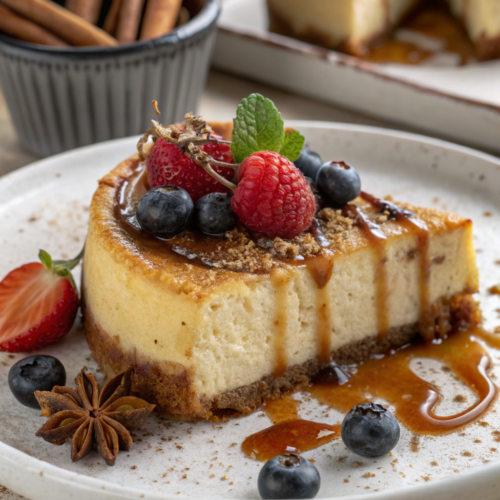
Easy Caramel Cheesecake Recipe with Drizzle Topping
Ingredients
For the Graham Cracker Crust:
- 2 cups 200g graham cracker crumbs (or digestive biscuits as a substitute)
- 1/4 cup 50g granulated sugar
- 1/2 cup 115g unsalted butter, melted (coconut oil works as a dairy-free swap)
- 1/4 teaspoon cinnamon optional, but adds warmth
For the Cheesecake Filling:
- 3 packages 24 oz / 680g full-fat cream cheese, softened to room temperature
- 1 cup 200g granulated sugar
- 3 large eggs room temperature
- 1 cup 240ml full-fat sour cream (Greek yogurt is a lighter alternative)
- 2 teaspoons pure vanilla extract
- 2 tablespoons all-purpose flour cornstarch works for a gluten-free option
- 1/4 cup 60ml caramel sauce, for swirling into the batter
For the Caramel Drizzle Topping:
- 1 cup 200g granulated sugar
- 6 tablespoons 85g unsalted butter, cubed
- 1/2 cup 120ml heavy cream
- 1/2 teaspoon sea salt for a salted caramel variation — highly recommended!
- Store-bought caramel sauce may be used as a convenient shortcut
Video
Did you try our recipe?
There are no reviews yet. Be the first one to write one.
Healthier Alternatives for the Recipe
Want to enjoy this Easy Caramel Cheesecake with a lighter nutritional profile? These smart swaps maintain the flavor while reducing calories, fat, or sugar:
- Lower-fat filling: Replace full-fat cream cheese with Neufchâtel cheese (1/3 less fat) to save approximately 30 calories per slice without sacrificing creaminess.
- Greek yogurt swap: Substitute sour cream with plain full-fat Greek yogurt to boost protein and reduce fat content.
- Gluten-free crust: Use gluten-free graham crackers or almond flour mixed with coconut oil for a grain-free base.
- Reduced sugar: Cut the filling sugar to 3/4 cup and use a sugar-free caramel sauce to significantly lower the glycemic load.
- Dairy-free version: Use vegan cream cheese (cashew-based works beautifully), coconut cream instead of sour cream, and coconut oil for the crust.
- Natural sweetener: Swap granulated sugar for coconut sugar or a monk fruit sweetener blend for a lower-glycemic alternative.
Serving Suggestions
This cheesecake is stunning on its own, but a few thoughtful additions can elevate it even further for special occasions:
- Classic presentation: Serve each slice with an extra drizzle of warm caramel sauce and a pinch of flaky sea salt for a salted caramel effect.
- Fruit pairing: Fresh sliced bananas, strawberries, or poached pears alongside the cheesecake add a bright, refreshing contrast to the richness.
- Whipped cream topping: A dollop of lightly sweetened whipped cream adds an airy, elegant finish to each plate.
- Coffee companion: Serve alongside a strong espresso or cold brew coffee — the bitterness perfectly balances the sweetness of the caramel.
- Holiday twist: Add a sprinkle of crushed pecans or toasted walnuts over the caramel drizzle for a Thanksgiving or Christmas-worthy centerpiece dessert.
- Mini cheesecakes: Use a muffin tin to create individual-sized portions — perfect for parties, potlucks, or portion control.
Common Mistakes to Avoid
Even experienced bakers can run into trouble with cheesecake. Here are the most common pitfalls and exactly how to sidestep them:
- Using cold cream cheese: Cold cream cheese creates lumps that never fully smooth out. Always allow it to soften at room temperature for at least 45–60 minutes before mixing.
- Overmixing the batter: Beating too much air into the batter causes the cheesecake to puff up and then collapse or crack. Mix on low speed and stop as soon as ingredients are combined.
- Skipping the gradual cooling step: Rapid temperature changes are the number one cause of surface cracks. Always cool the cheesecake slowly in the oven with the door cracked.
- Overbaking: A cheesecake that is fully set in the center when it comes out of the oven is already overbaked. Look for that telltale jiggle in the middle.
- Not chilling long enough: Cutting into a cheesecake before it’s fully chilled results in a soft, messy slice. Patience is key — overnight chilling yields the best results.
- Burning the caramel: Caramel goes from perfect to burnt in seconds. Stay at the stove, stir constantly, and remove from heat the moment it turns a deep amber color.
Storing Tips for the Recipe
Proper storage ensures your cheesecake stays fresh, flavorful, and perfectly textured for days after baking. Follow these best practices:
- Refrigerator storage: Store the cheesecake covered with plastic wrap or in an airtight container in the refrigerator for up to 5 days. The flavor actually improves after the first 24 hours.
- Freezing whole or sliced: This cheesecake freezes beautifully. Wrap individual slices tightly in plastic wrap, then place in a zip-lock freezer bag. Freeze for up to 2 months.
- Thawing: Transfer frozen slices to the refrigerator and thaw overnight. Avoid thawing at room temperature, which can